Planet Gurx: Gurx Pants

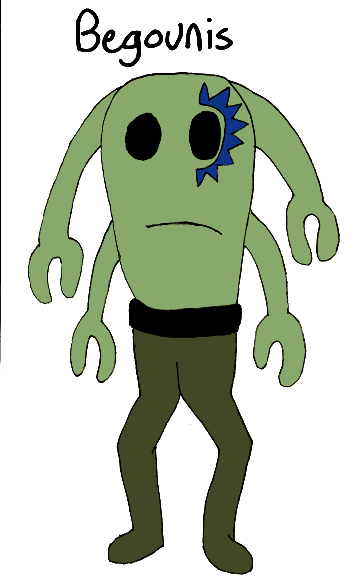
Begounis

Begounis is a Nexvar Strondo who has devoted their life to the repair and improvement of Gurx Pants and other woven technology. While most Nexvar have to spend a lot of time in suspended animation between their uses, Begounis is kept busy, because everyone needs pants.

If one has really paid attention to the Strondos depicted in this series, they will have noticed that they all wear pants. Gurx Pants aren’t just a decorative genital-cover to Strondos as they are with humanity. Strondovarians have excelled at developing technologies that can be woven into fabrics. Their carpets and tapestries are almost always actually electronic devices. A wall hanging that looks like a simple design may actually be a light source that is activated when there is someone in the room, walking on the carpet. What seems like a curtain may be able to constrict and reshape itself into a hook when one needs a place to hang up some baskets. The possibilities are endless.

Gurx Pants were first developed in the early days of Strondo space travel, when they found that walking on planets other than Gurx wasn’t always easy or pleasant. To help solve this, Gurx Pants were designed to support the weight of the wearer as if they were moving within Gurx-normal gravity. Over time the pants were improved: they can now simulate the temperatures of pleasant climates, sync with other devices, store data, play music, and perform a host of other functions.

Understandably, Strondos have become quite dependant on these things. So, Begounis travels from various pants-manufactuing plants all over Gurx and, of course, beyond. And they are treated like a hero for helping to maintain these important garments that are technological marvels.
Planet Gurx: Many Gurxian Animals

I’ve been exploring the animals of planet Gurx three at a time, with a little shot of their habitat. That’s all well and good, but I recently noticed that I still have about sixty of these things left and I don’t want to go past a year on this planet. Howzabout we just bang out some larger posts about animals real quick? No objections? Let’s go.

Awua

A kind of docile aquatic Lapaouger that lives along the island coasts. Counting their limbs, they are taller than the average Strondovarian and their “upright” kind of posture led ancient Strondos to think of them as the people of the sea, though they’re actually very dumb by Strondo standards. Awuavarian is an insult (though one considered childish and corny, kind of like calling someone a “stupidhead”). They happily graze on plants on the ocean floor, usually until being eaten by predators visiting from deeper in the ocean.

Okkealil

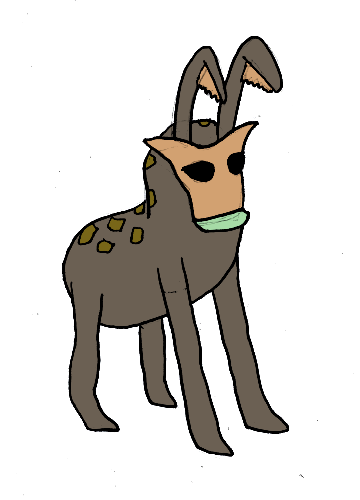
A forest-dwelling Aehubar species whose top limbs have bonelike hard protuberances that aid in scraping the Gurxian equivalent of trees, which are often covered with nutrient-rich mosses. There are different types of Okkealil, ranging in size from ones that could fit in your hand to ones that (standing on their two lower limbs) would rival a Strondo in height. Most live in small family units and are preyed upon by predators, but their scraper-arms can be used in self defense, so they tend to go down fighting.

Yibbeau

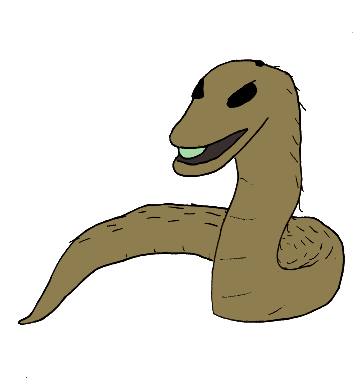
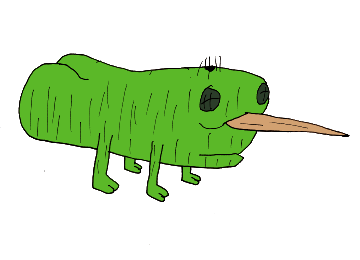
Another animal native to some Gurxian forests is the Yibbeau. Though they evolved from Lapaouger, they’ve managed to lose their limbs in favour of a serpentine bodyplan that lets them climb all over the trees and act as an ambush predator. Rather than using fangs or constriction like a snake, they prey on smaller animals by firing their Rel out of their mouths in a manner reminiscent of Earth frogs.

Thoybrai

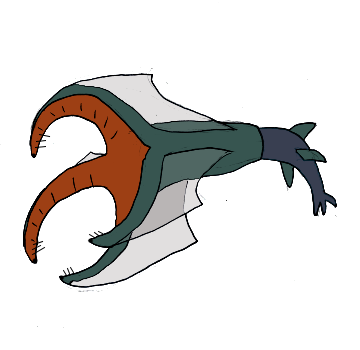
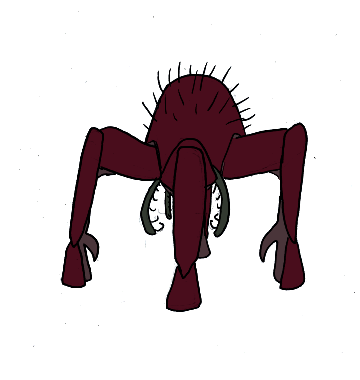
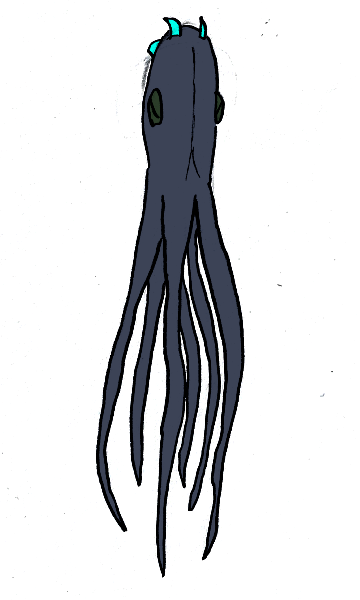
An aquatic Vootuph species of extremely venomous predators. The front of a Thoybrai opens into four grasping limbs, each with an eye and, more importantly, each with a stinger. A Thoybrai will stick its prey, then grab it until it dies, then eat at its leisure.

Oshooding

This horned clapbutt is a type of Ekkpay that lives near shallow streams where they stick their nose into the slimy muck and shake it around. Then they gulp in the resulting roiled water and fliter-feed to get all the little stuff that lives in there. They do, of course, also use the horns when fighting over territory of mating.

Gairan

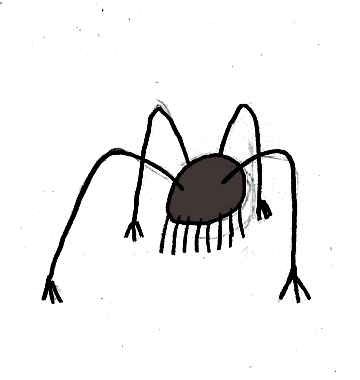
Tiny air-breathing Vootuph that live most of their lives living on other animals. With a tongue that can pierce even thick Gurxian skin to drink blood, Gairan thrive on larger beasts, especially Lapaouger. Strondovarians have creams they rub onto themselves to prevent Gairan from living on them, but wild animals are often covered in the things.

Oyel

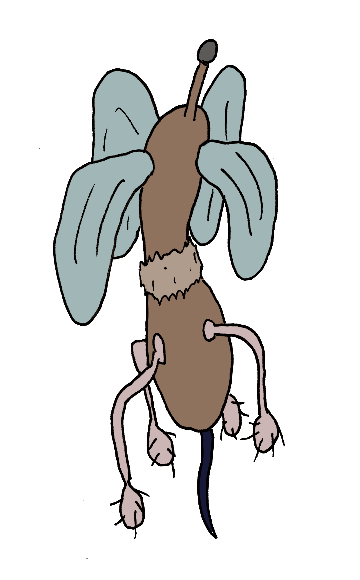
A type of flying Vootuph that tends to fly around larger animals and pick the Gairan off them. Even though Strondos have other ways of keeping Gairan in check, they still consider Oyel a symbol of cleansing and they are quite fond of the buzzing sound they make.

Pwiak

An armoured Vootuph that lives along the shores and build nests in the mud. To eat, they wade into the water and prey on smaller animals it catches swimming beneath it. They were a delicacy to Strondos in olden days, and their shells were often used as a decorative material.

Beekeeper Review: Eustacius Jericho

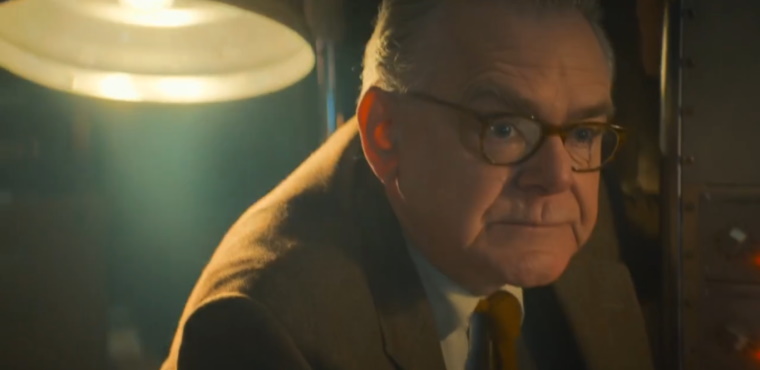
Professor Eustacius Jericho, the Scourge of Scoundrels, is not the first Beekeeper I’ve covered that comes from the Doctor Who franchise. That would be Goronwy Jones. But Jericho comes closer than his predecessor to becoming an actual Companion of the titular Doctor.

Jericho was a British soldier in the Second World War, and saw many terrible things. When he returned home, he threw himself wholly into academic life, seeking largely (consciously or otherwise) to be detached from the “real world” because of the darkness he’d seen. By the 1960s, he had some rapport with the people of his village, but avoided close attachments. And, because science often pairs well with the keeping of bees, it was in this era that seems to have taken it up. We don’t know how many hives he had, but we know he liked to use their honey in tea. “Nature’s own shock remedy,” he called it. I suspect he found it useful treating his trauma left from the War.

When supernatural events barged into Jericho’s life, he doubted them at first, but his scientific rationale quickly caught him up. Even in dangerous situations, he hoped to continue researching and learning. And when he wound up stranded in the early 1900s with the Doctor’s Companions, he and they went on a years-long, world-spanning quest to help prevent the end of the world. And when that crisis came to its climax, he allowed himself to be captured by an alien army as part of the plan to bring them down. The plan worked, though Jericho didn’t make it back alive. He was, at least, happy in the end that after his sedentary decades, he got to have a big adventure in his final years.

The only problem is that we never got to see Jericho doing any Beekeeping. We only get that one reference to his bees’ honey. Certainly he couldn’t have been doing it after being stranded in the past and started travelling the world on a mission. That means that the part of Jericho’s life that is full of adventure and the part where he keeps bees are decidedly separate. That’s not the ideal situation I look for here in these reviews, and sadly that brings his rating down from what it otherwise could have been:

Three Honeycombs out of Five.